
The Power of Local - March Newsletter
Kia Ora,
We are living through a moment of profound transition. One that is revealing, with increasing clarity, the fragility of systems built on global dependency.
Possible fuel shortages extend far beyond transport into food production, farming, manufacturing, and the supply chains that billions of people depend on daily basis.
Supporting local, makes more sense than ever.
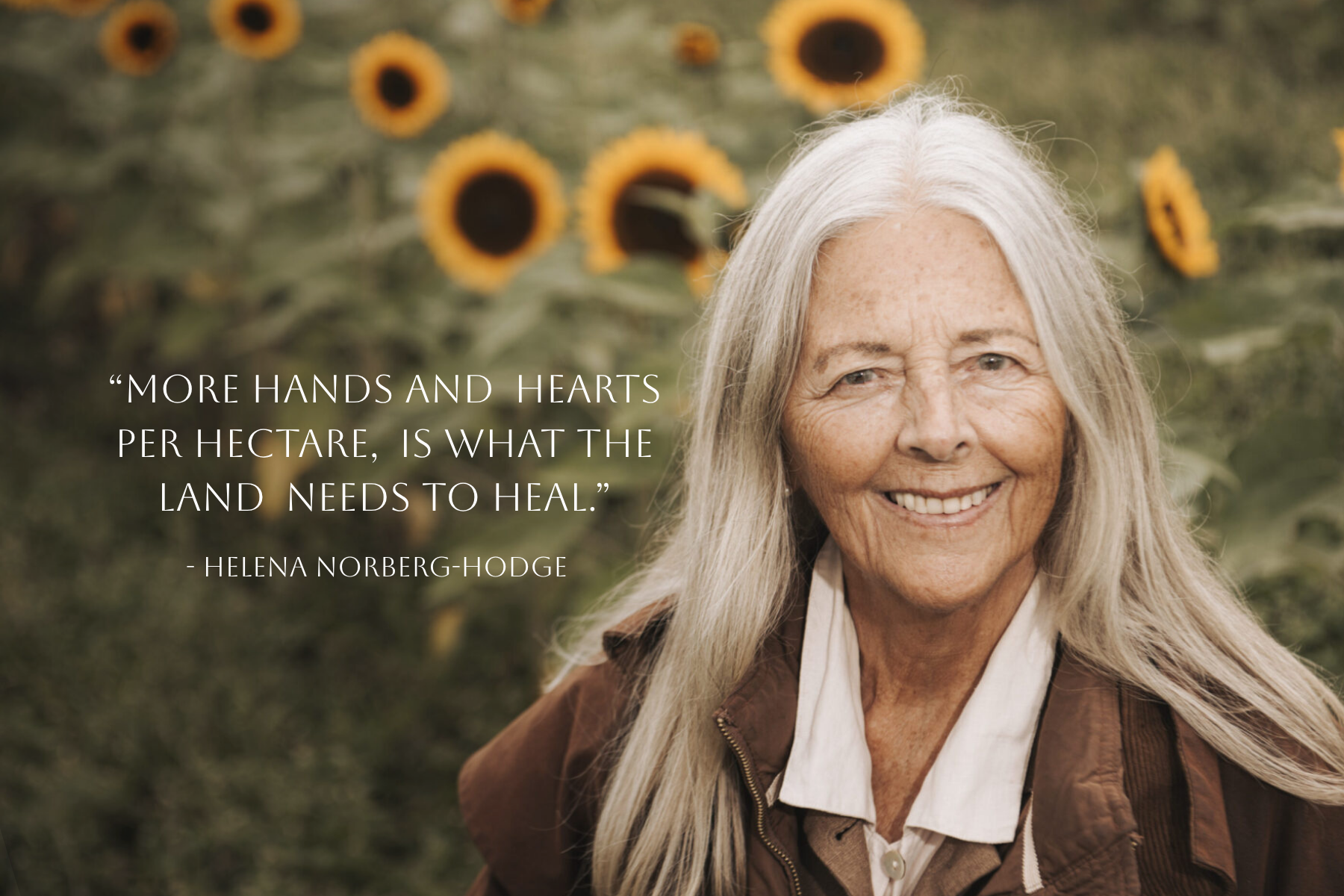
For over half a century, Local Futures founder Helena Norberg-Hodge has been pioneering the worldwide localisation movement - calling for a reorientation of priorities to the true needs of people and the Earth over corporate profits.
Norberg-Hodge points to food and farming as the most important place to start, noting that small, diversified farms produce more food per hectare, require less energy, less chemicals, support biodiversity, and provide meaningful work for local community.
"We can reduce pollution whilst simultaneously improving happiness, health, and the wellbeing of humans, animals, plants and the soil."
Author of Ancient Futures and Local is Our Future, she has spent decades supporting a return to local.
“Localisation doesn’t mean going back to a world where we cannot use energy, or where we all have to eat food from a few kilometres away. It’s about realising that all people, all beings and all ecosystems will benefit from building more localised systems.”
Over the years, Local Futures has produced a series of powerful documentary films, including The Power of Local- which showcases over 30 inspiring community groups across five continents, living the local vision.
Every year on June 21, Local Futures celebrates World Localization Day - galvanising community lead and local initiatives.
As Norberg-Hodge puts it, the shifts we need at a local level "will see healing, regeneration and transformation more quickly than most of us dare to imagine."
Celebrating more than half a century of Local Futures, we acknowledge the flow-on effect of other innovative and resilient groups - a few noted below, seeding threads of quiet and powerful global change.
Ngā mihi aroha
- Biome Trust
Local Futures was founded in 1978 by Helena Norberg-Hodge to counteract the forces eroding Ladakh’s indigenous culture (northern India). Learn more about Local Futures here.
World Localisation Day - June 21 is an annual celebration highlighting localization as a strategy for change, and to celebrate the initiatives that foster ecological economies, thriving communities and healthy local food systems. More
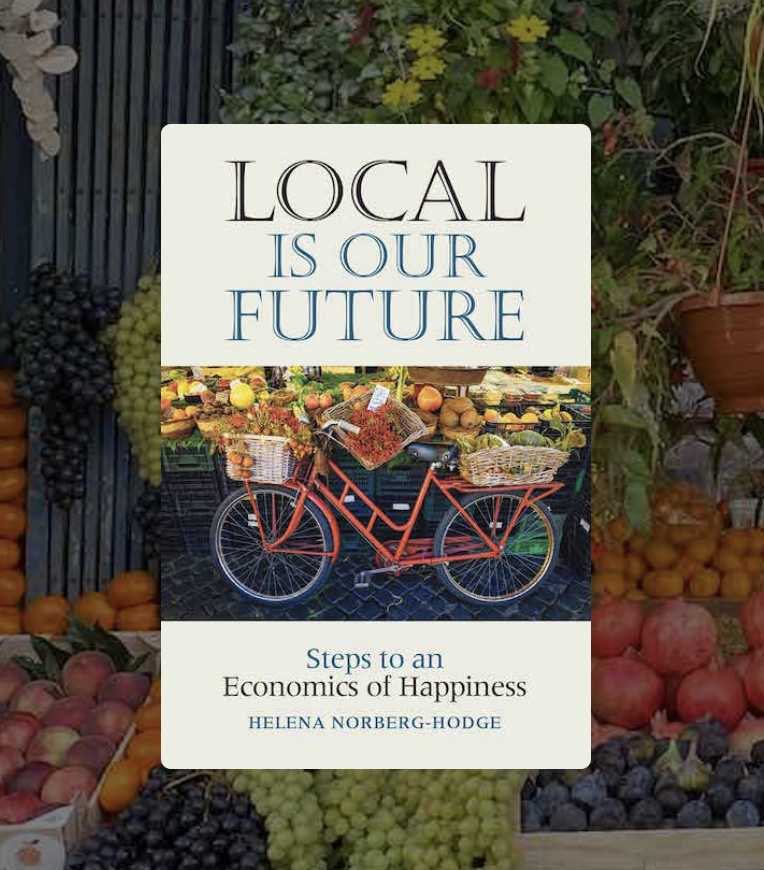
Local is our Future by Helena Norberg-Hodge connects the dots between our social, economic, ecological and spiritual crises, and shows how localizing can help solve them all. More
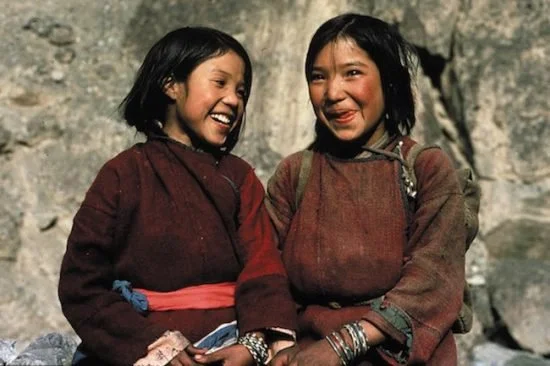
The Economics of Happiness the award-winning film spells out the social, spiritual, and ecological costs of today's global economy while highlighting the benefits of economic localization. Featuring Vandana Shiva, Bill McKibben, David Korten, and others. Watch
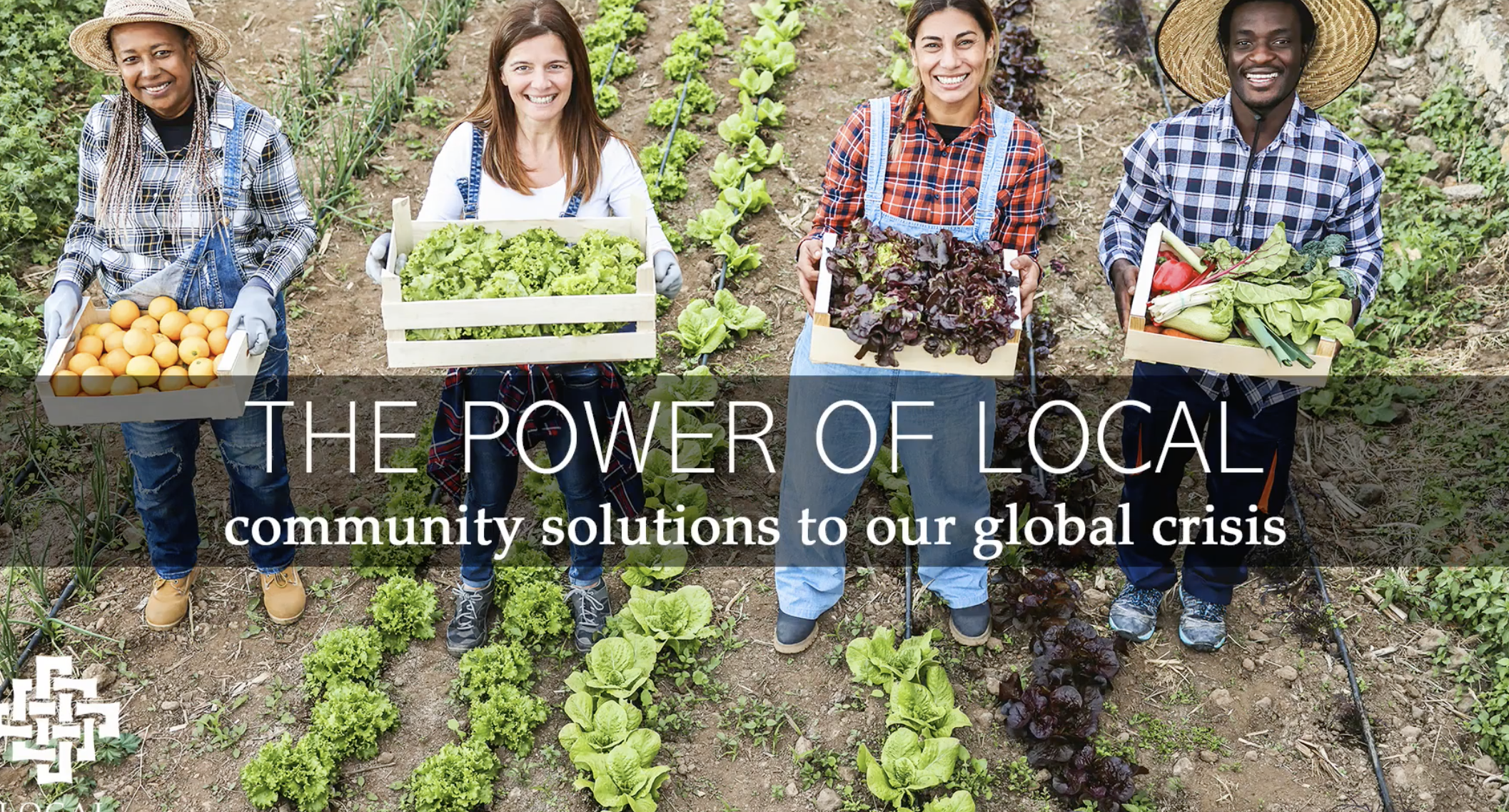
The Power of Local (42 mins) showcases exciting localization initiatives across the world supporting cultural and biological diversity, social justice, genuine democracy, and our health and happiness. Watch
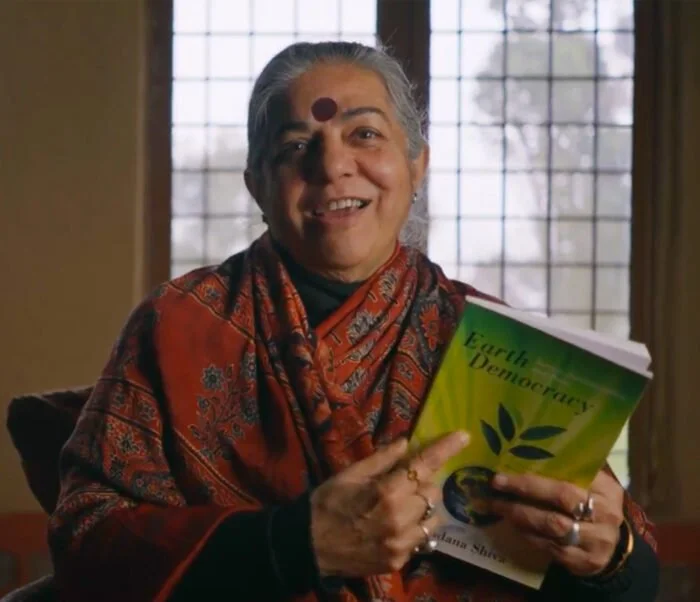
The Local Futures Podcast features leading voices including Norberg-Hodge’s friend and colleague of 40 years, Vandana Shiva. More
“Global food systems disconnect us from nature; local food systems reconnect us.”
Giftee Updates
Organics Aotearoa NZ is fundraising to protect the future of organics and non-GMO food production in NZ. More
Mangaroa Farms are hosting a local community resilience survey to connect and galvanise local skills & resources. More
Learning Environment Whanganui are hosting an Apple Pick-Nic on Sunday 12th April, welcoming local community to enjoy a peaceful afternoon of harvesting apples. More
Kaicycle Urban Farm in Newtown, Wellington are hosting a Community Open Day on Saturday 11th April. More
Kōanga Institute are hiring an Office Coordinator. More
Underground Festival founder Fran Bailey features in on RNZ with highlights from the event held in February 2026. Watch
Ma Earth Learning Labs hosts Catalyzing Bioregional Economies with Samantha Power, co-founder & director of the BioFi Project. More
Tiwaiwaka’s Pa McGowan speaks to the Taro plant as a key food for resilience - one of the original plants brought to Aotearoa from Hawaiki. More
Papawhakaritorito Trust recently hosted a Mana Wāhine Seed Sovereignty wānanga with an esteemed group of wāhine Māori at Mangaroa Farms. More
Garden To Table’s school program supports over 33,000 kids for a whole year of growing, cooking and sharing kai. More
Kelmarna Community Farm is hosting a range of workshops including earthbuilding basics, printmaking, pruning & more. Learn
Permaculture in New Zealand is hosting the Aotearoa National Permaculture Hui April 10-13 in Whakatu Nelson, featuring the likes of Gary Williams, Dr Jessica Hutchings & Klaus Lotz. More
Rewiring Aotearoa are hosting the Kill Bills tour, educating Kiwi’s about saving money on energy bills by upgrading to modern electric equivalents. More
The Kiwis in Climate final book launch event features Olympic pole-vaulter and Foreword author, Eliza McCartney on 28th April, 7:30pm. More
Toru Education highlights a range of local events & workshops from growing permaculture gardens, planning food forestry, and preserving food. More
One Earth features urban gardens to agrihoods: The rise of agricultural neighborhoods. More
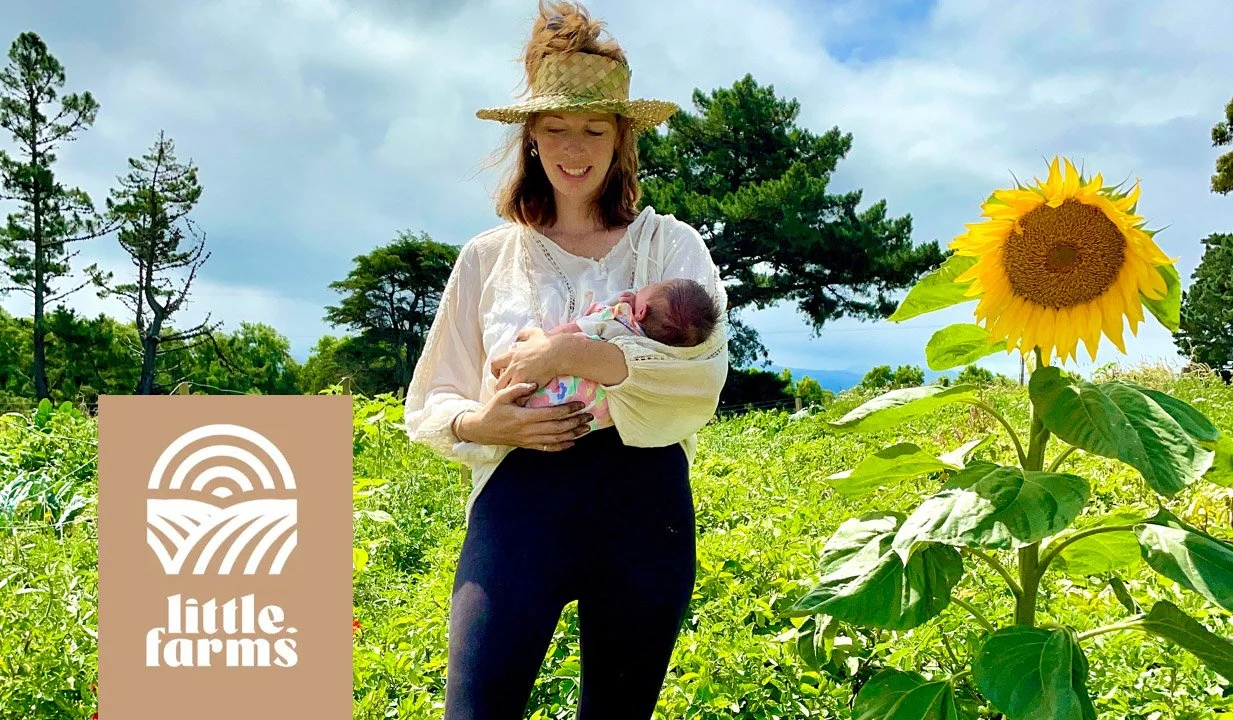
Little Farms is led by mother Alex Morrissey, connecting resilient food systems & growers working together to feed the Greater Wellington region.
Additional News
Little Farms Wairarapa (above) featured on Hyundai Country Calendar this past Sunday. More
Robin Wall-Kimmerer invites you to “raise a garden and raise a ruckus” through the Plant Baby Plant movement. More
The Young Organic Growers Alliance Aotearoa (YOGAA) is building a network of organic growers under 40 years old to help shape the future of the sector. More
RNZ speaks to the global fuel shortages impacting not just travel, but food, farming, manufacturing, and global trade. More
Bioneers has released the 2025 Indigeneity program annual report, bringing indigenous perspectives to global conversations. More
Predator Free Wellington is targeting to make the capital NZ’s first predator-free city, gaining $5.5m in government funding over the next five years. More
Swim4TheOcean’s Jono Ridler has swum over 1360km from North Cape to Wellington harbour, raising awareness about the issues of bottom trawling fishing. More
“Truly addressing the crisis will require building people power on a scale that the world has never seen before.”