
The Sum of Small Gifts - July Newsletter
Kia ora,
Over the past three weeks, as part of the Ma Earth’s third funding round, more than 11,000 people in over 100 countries came together around a simple idea: that those closest to the land are often the ones best placed to heal it.
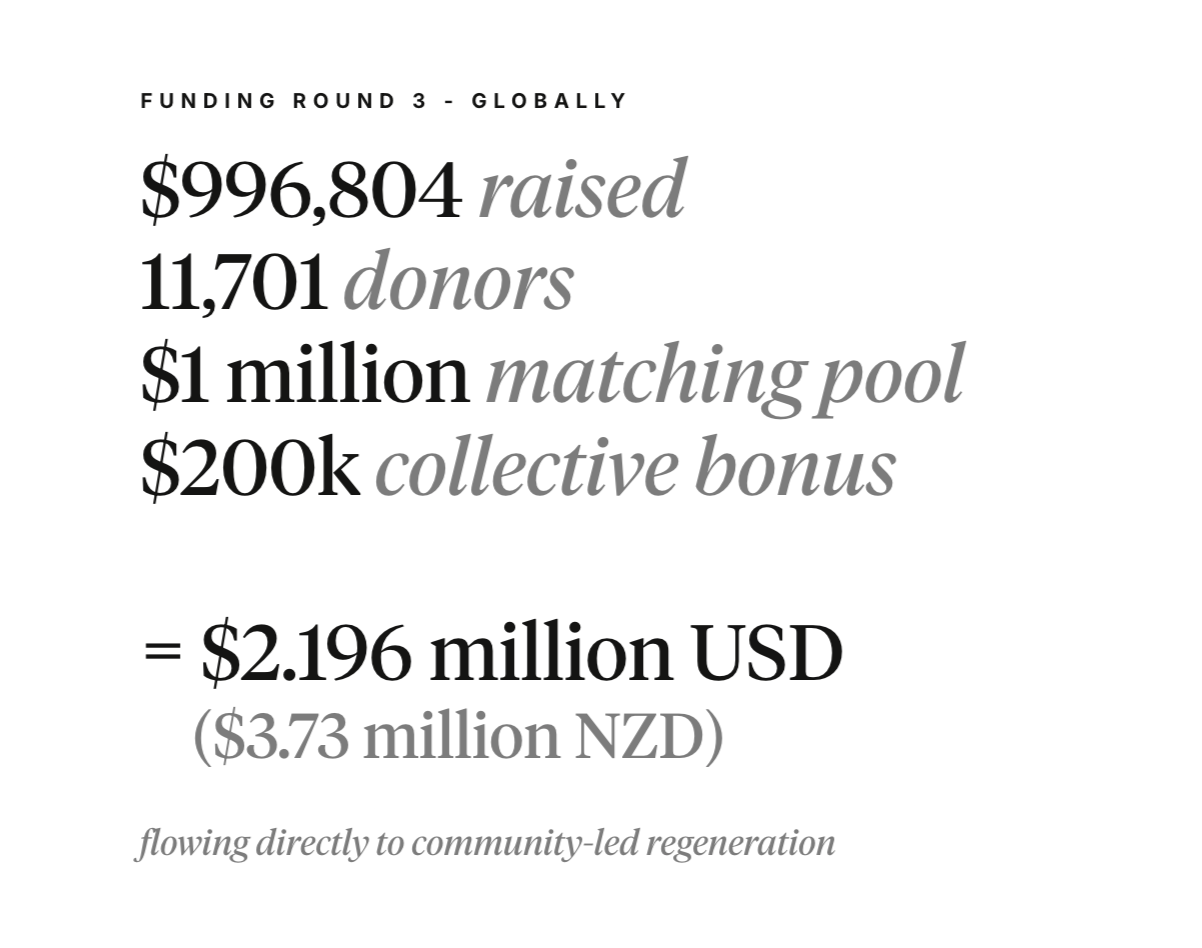
All donations considered, a total of $2.195 million USD flowed directly to 201 community-led regeneration projects around the world.
Behind every contribution was an act of trust - in local communities restoring forests, protecting rivers, regenerating soils, reviving food systems, and strengthening the relationship between people and place.
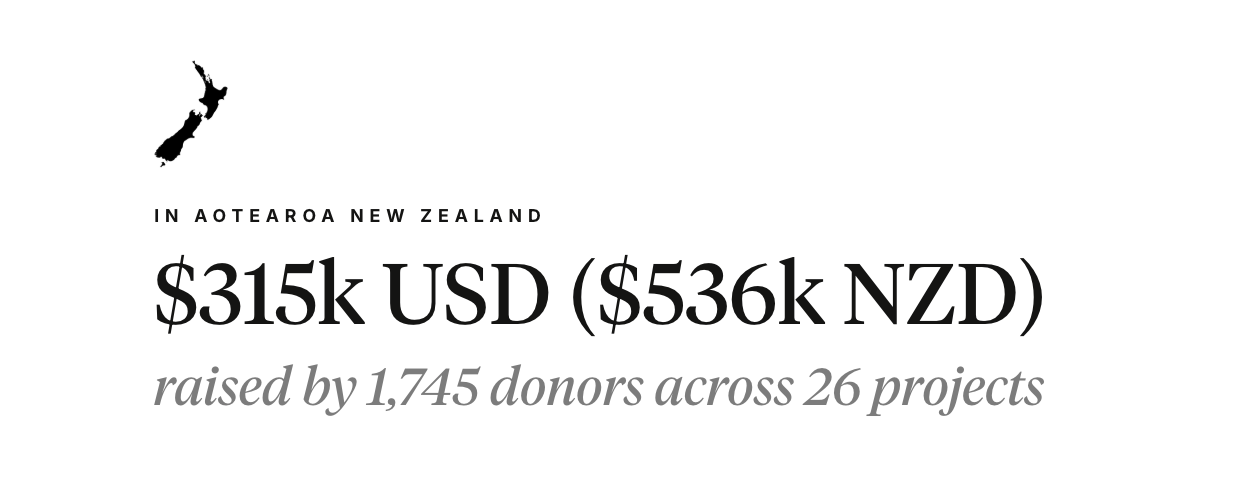
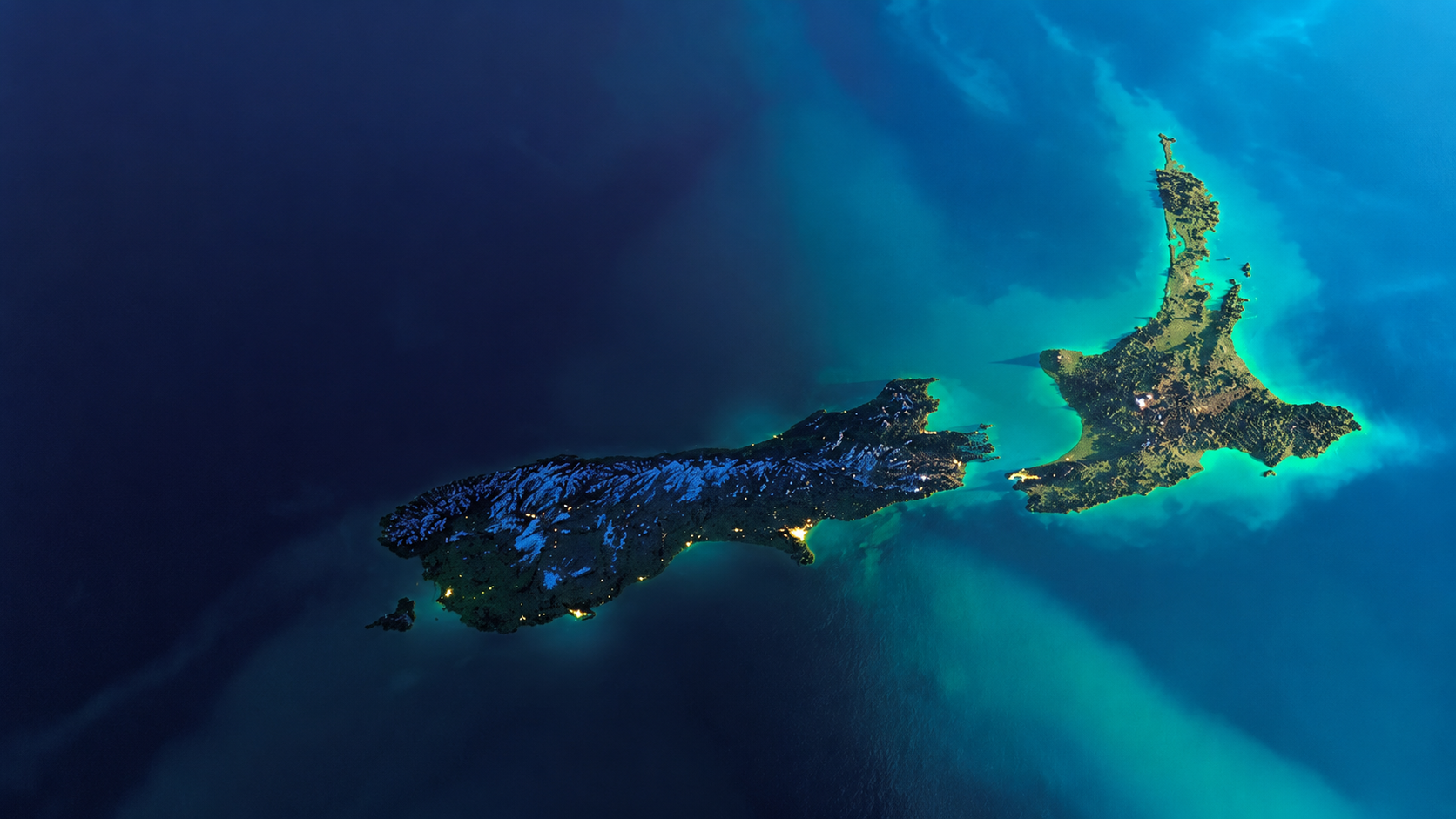
Here in Aotearoa, that generosity became US$315k USD ($536k NZD) raised across 26 projects - accounting for over 14% of the global figures of 100+ countries, punching well above its weight with the highest donor concentration of any population.
These Aotearoa projects covered everything from restoring native forest and rebuilding habitat for our birds and wildlife, to bringing life back beneath the waves through kelp and coral restoration. Whānau are growing kai sovereignty through marae gardens and local food systems, while educators nurture the next generation of guardians through hands-on environmental learning. Predator control, wetland restoration, seed saving and community nurseries also featured strongly throughout the round.
The diversity that was featured showed us that regeneration takes many forms, each shaped by the needs, culture and ecology of the place it serves.
With the closing of the round, we would like to thank everyone who gave. Whether you gave a dollar or a hundred, you were the reason the matching pool unlocked - it is participation, not the size of the gift, that does the work.
Thank you also to everyone who shared a project, commented, or simply helped these stories travel further. Each one became part of something larger: a growing global community choosing to place life at the centre.
None of this is new work - most of these projects have been at it for years, without a funding round to make it visible. What the round offered was a moment when a great many people looked in the same direction at once - and found how many others were already looking.
Biome Trust was honoured to contribute to the matching pool alongside Ma Earth Foundation, Naia Trust and Imaginal Seeds, though the credit belongs with the people in the soil.
Follow the projects to see where your gift lands - stories, updates and regeneration in progress at https://maearth.com/projects
Round 4 opens on Earth Day, 22 April 2027.
Below you'll find updates from many of the Aotearoa projects that made this round so inspiring.
Ngā mihi aroha,
Biome Trust
Aotearoa NZ Projects
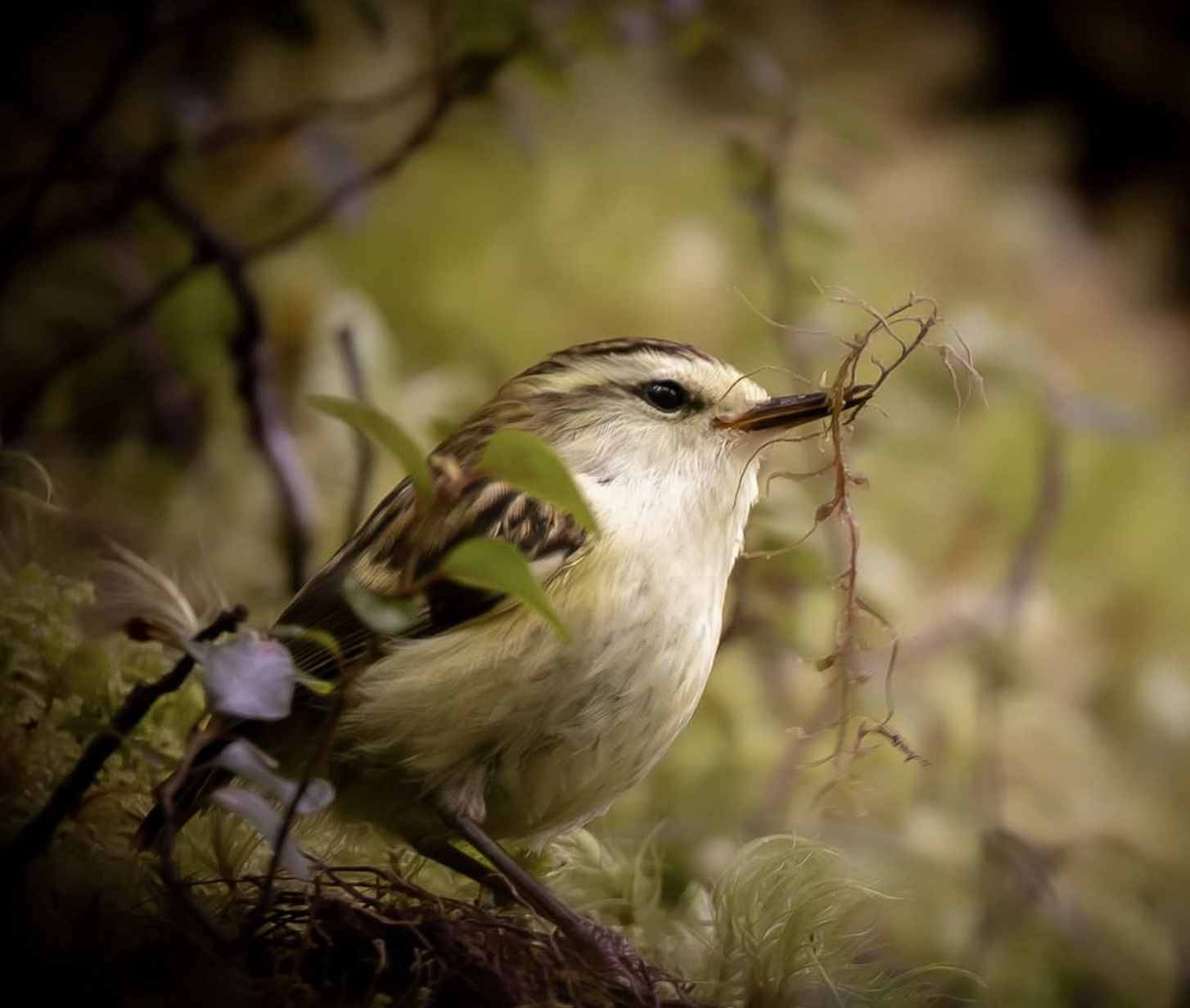
Wild Waikawa Conservation Trust drew more donors than any other project in Aotearoa, protecting ancient cultural forest and at-risk species alongside youth. More
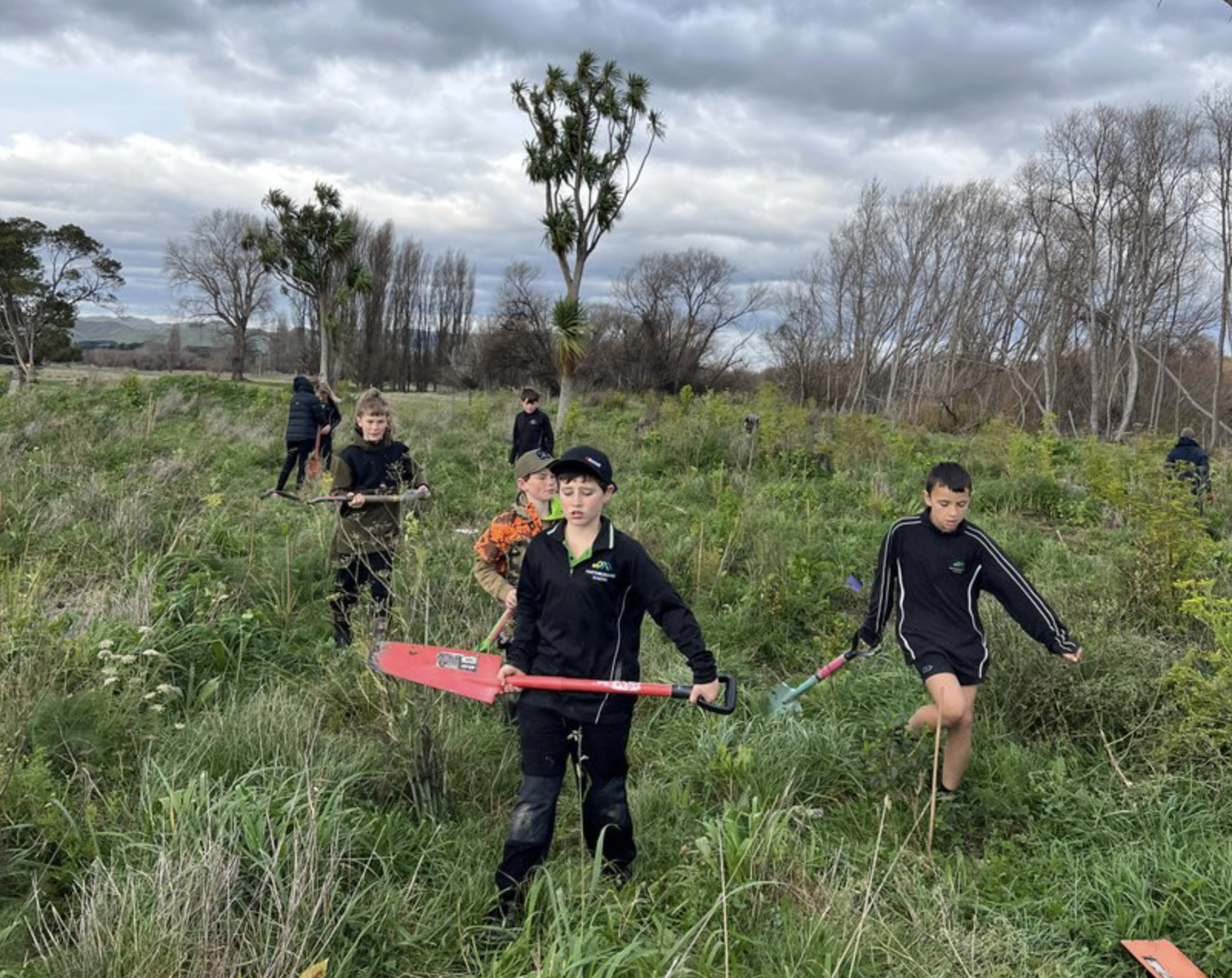
Ruamāhanga Farm Foundation is reviving the awa through conservation and creativity with Wairarapa schoolchildren. More
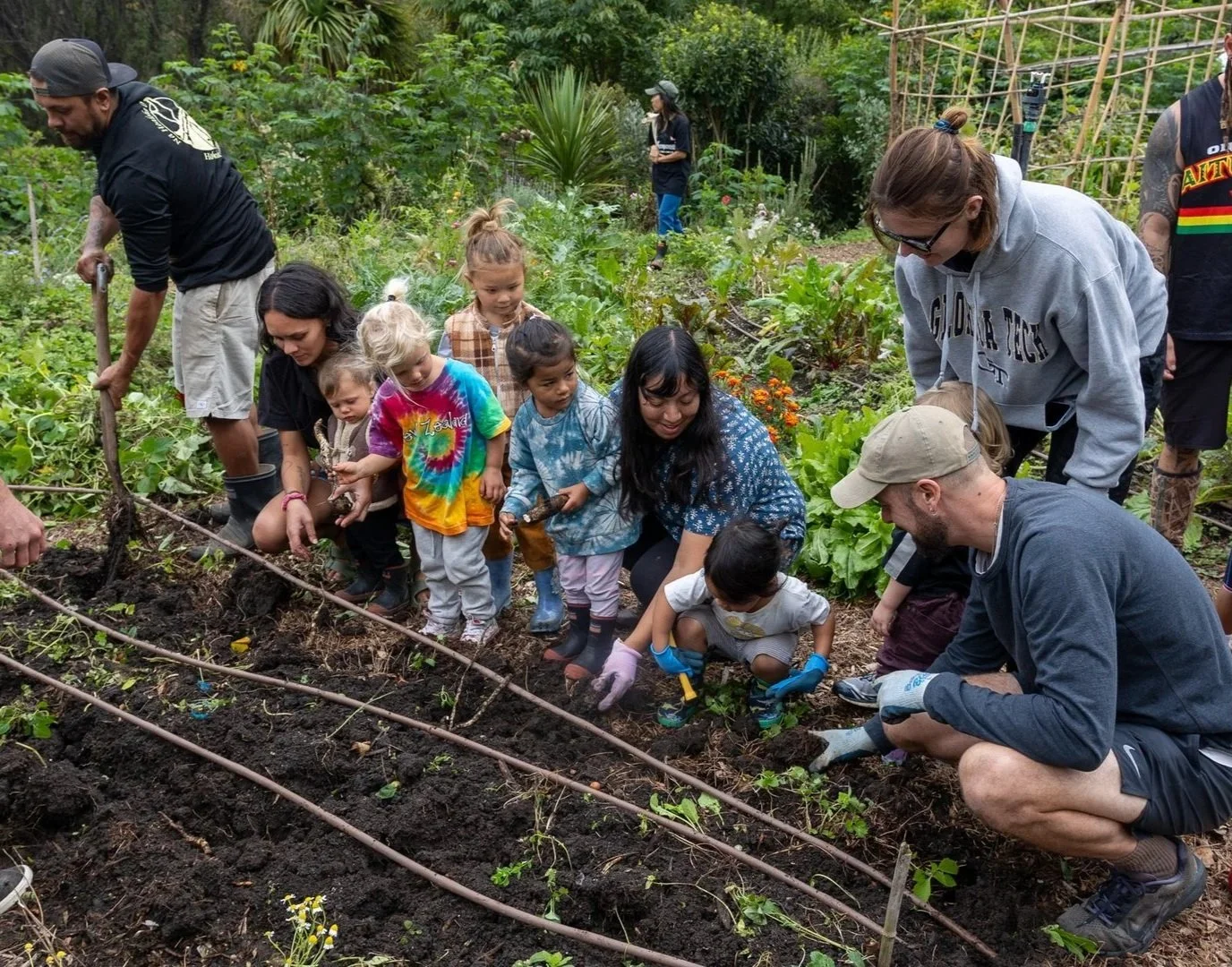
The Learning Environment continues teaching in Whanganui that restoring the whenua and growing as a person are the same lesson. More
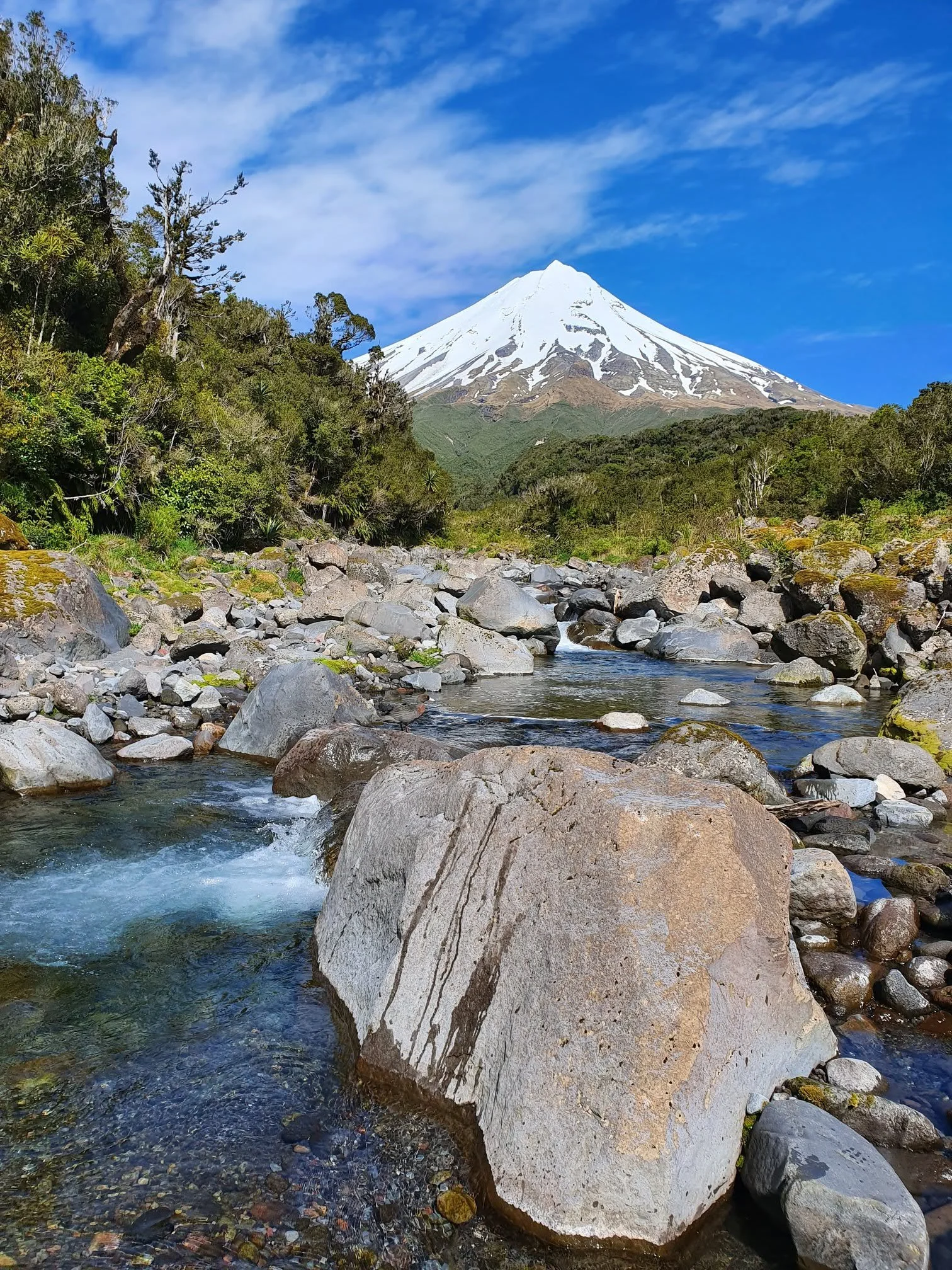
Taranaki Mounga Project is clearing invasive predators from Kaitake and Pukeiti maunga - vital guardians within Te Kāhui Tupua, a collective of sacred peaks in Taranaki. On Kaitake, cameras now show more kiwi than possums. More
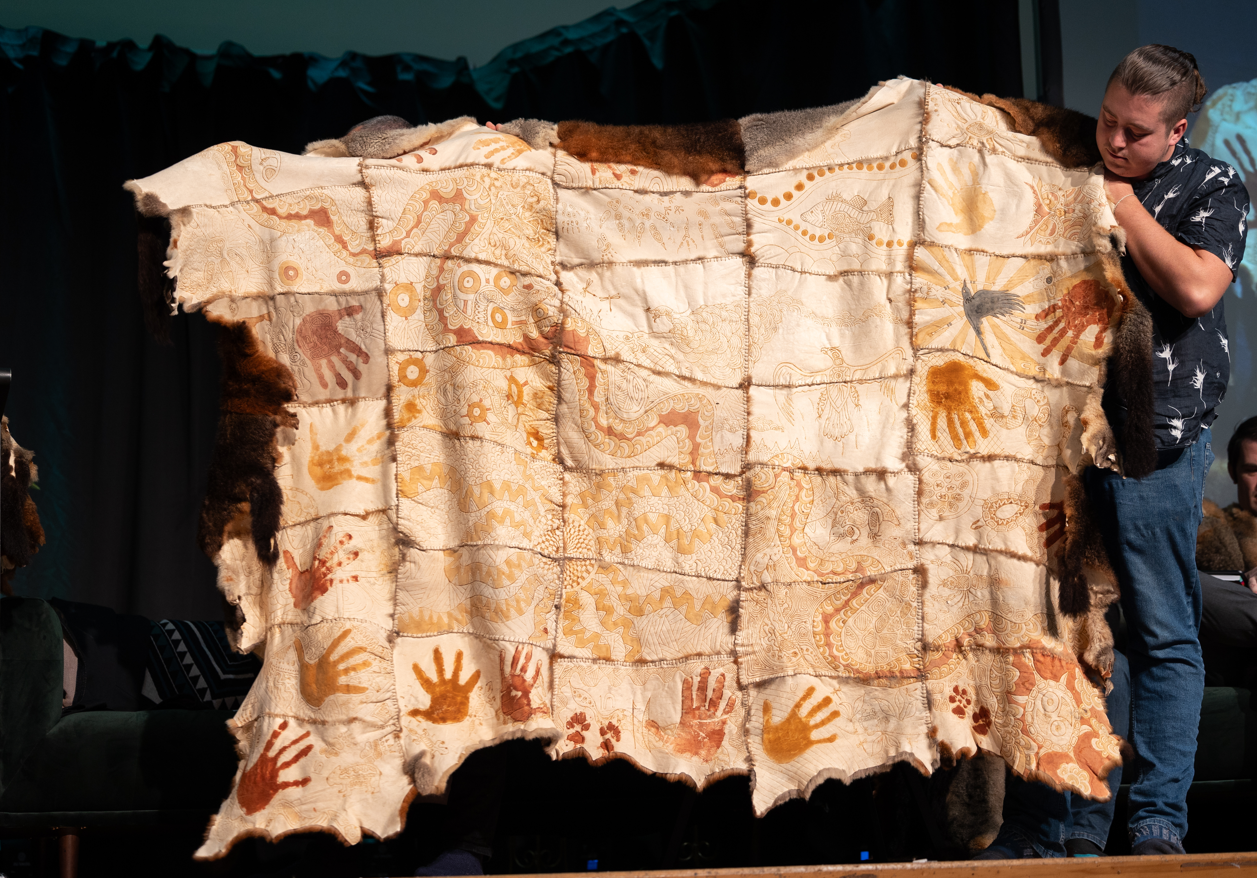
Te Tira Whakamātaki will train hunters across Aotearoa through Pelts with Purpose, turning predator control into a resource rather than waste. More
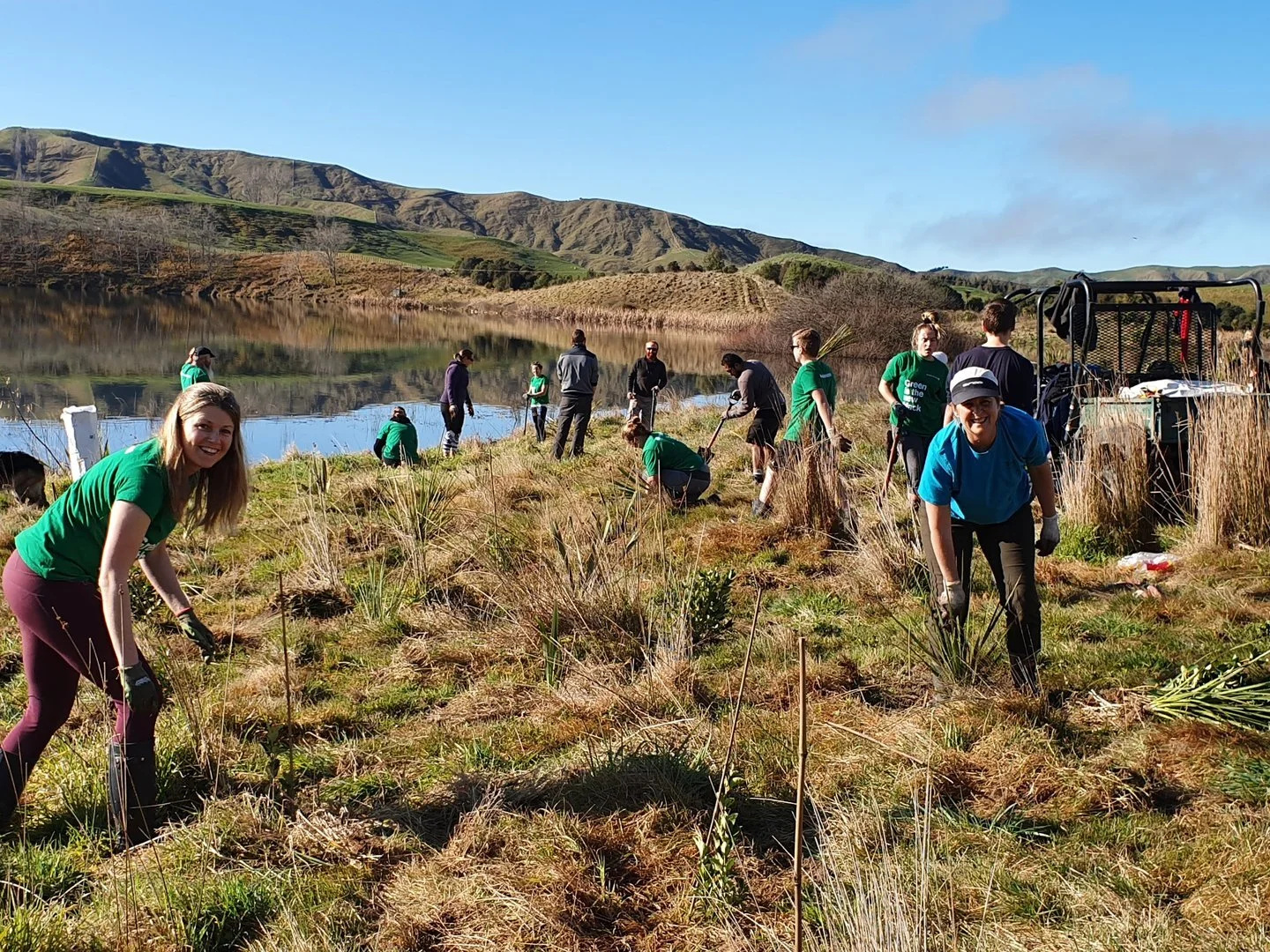
Mangarara - The Family Farm is regenerating its Hawke's Bay whenua, opening the gates for community to heal soil, water and habitat together. More
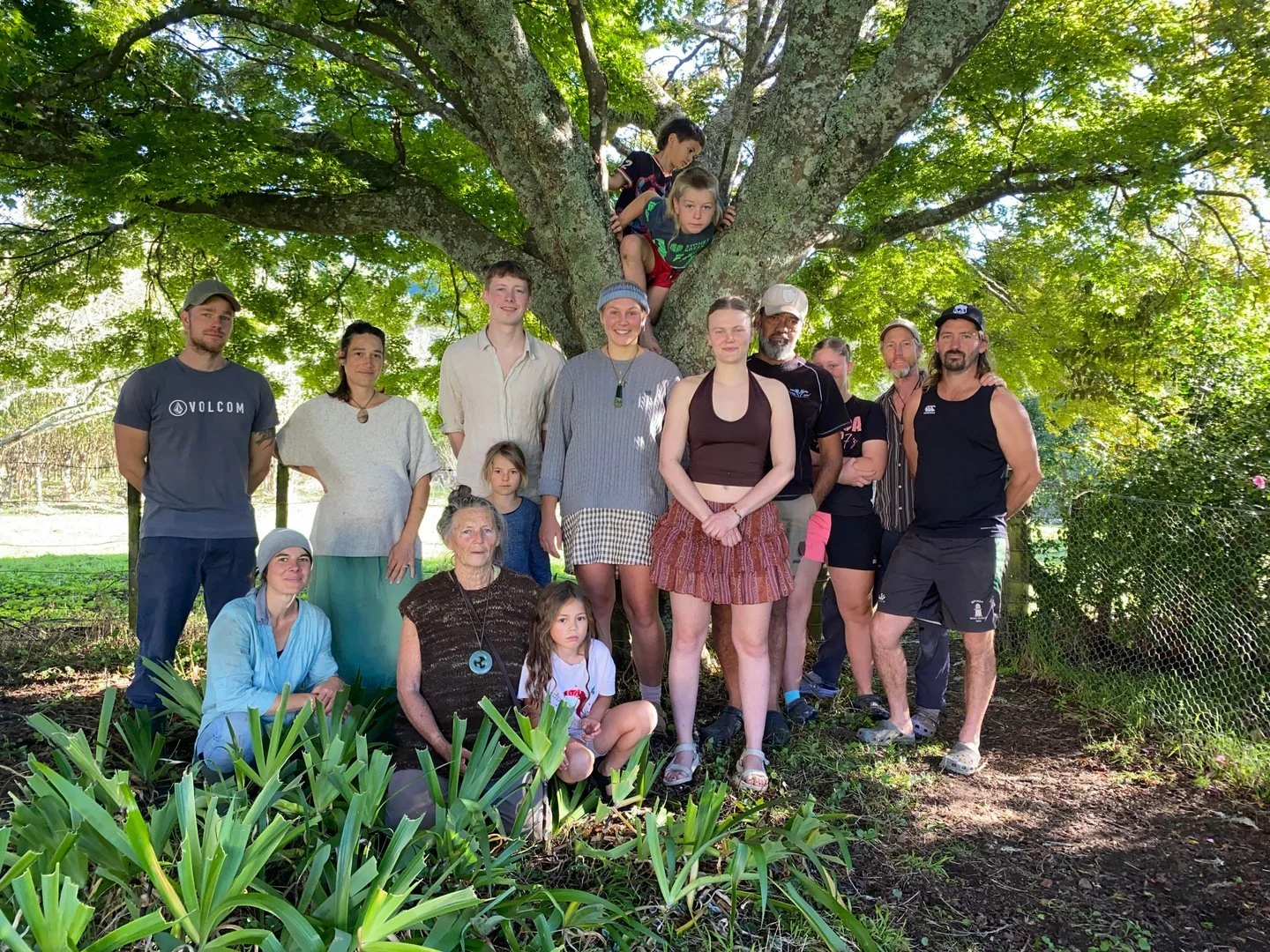
Kōanga Institute drew 161 donors to Honouring Our Waterways, tending the rivers that run through the land alongside its heritage seed work. More
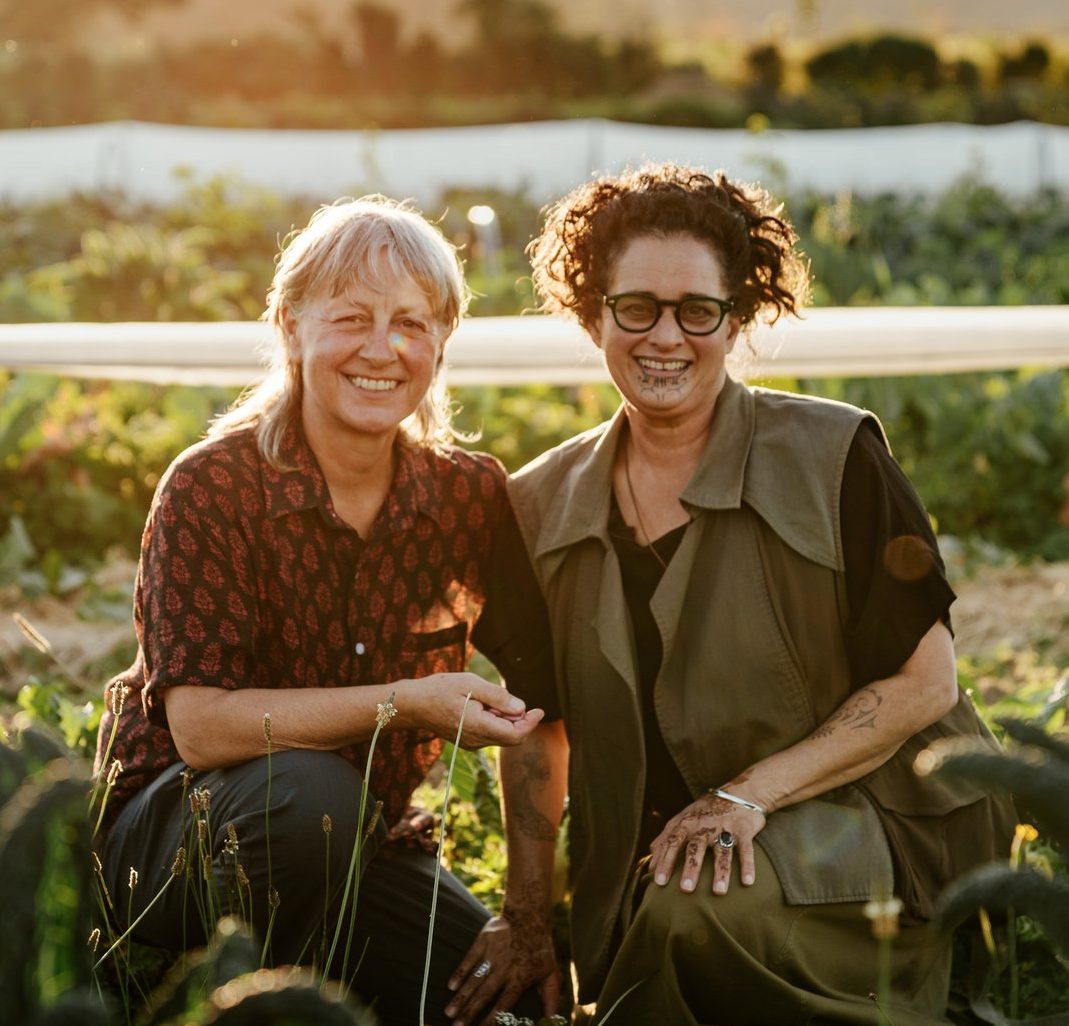
Papawhakaritorito Charitable Trust will plant 2,500 native trees at Kaitoke and revive the ancestral practice that grows alongside them. More
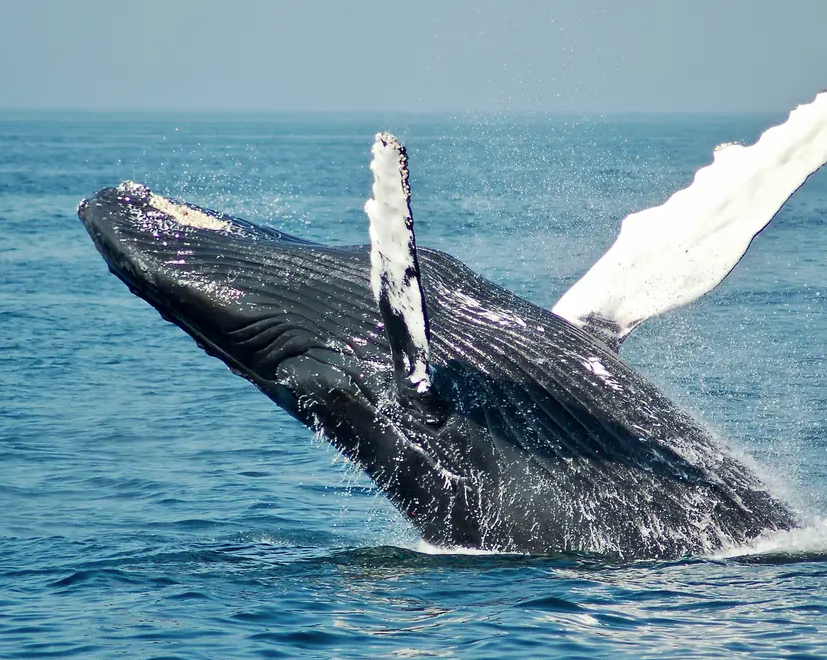
Ocean Vision Legal is supporting Tonga to lead the Pacific in recognising tohorā not as a resource to manage, but as kin with rights. More
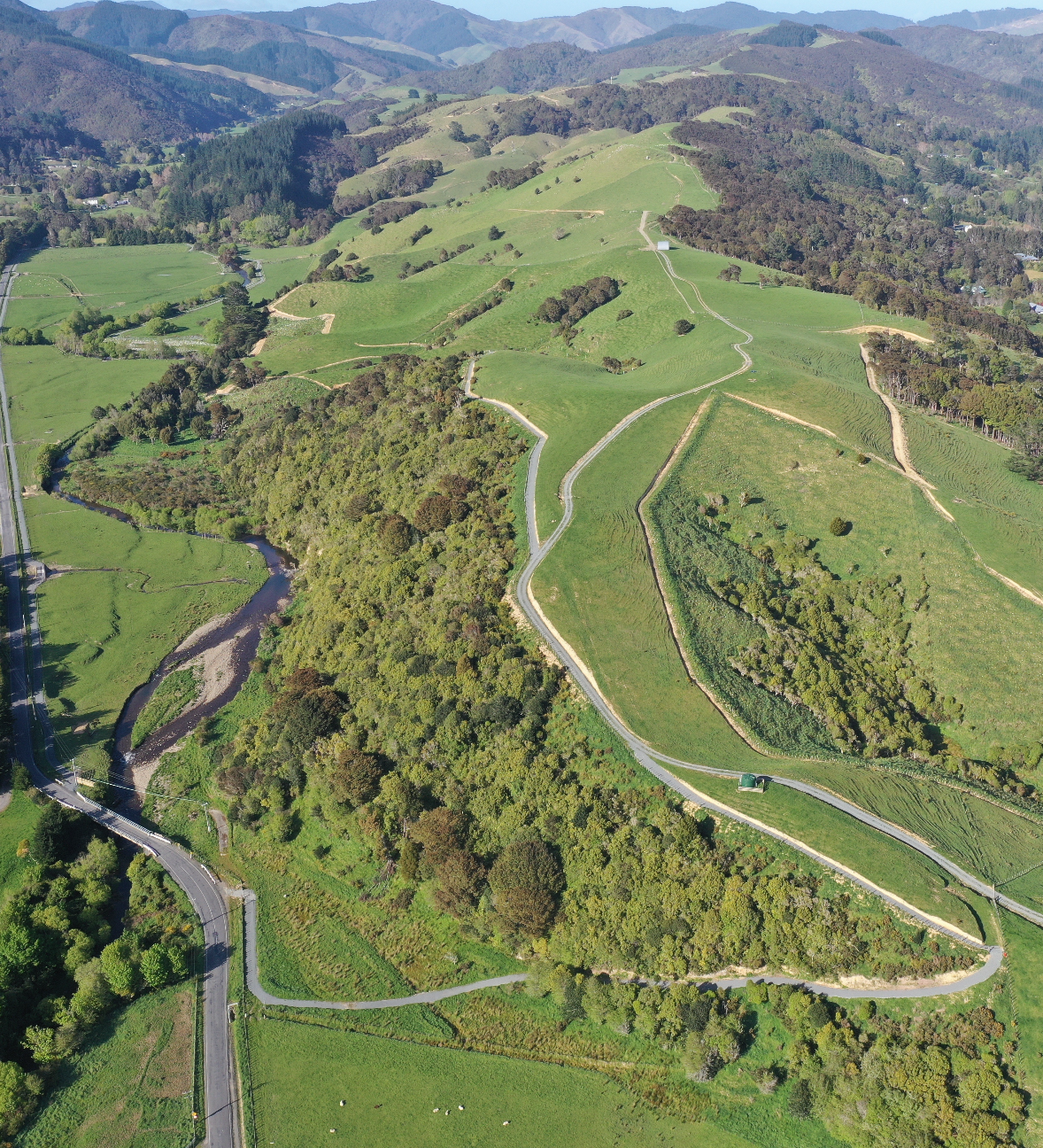
Mangaroa Farms is planting a fruit and forage walking trail on their 4km loop track - fruit-bearing trees and medicinal plants that both build soil and feed future generations. More
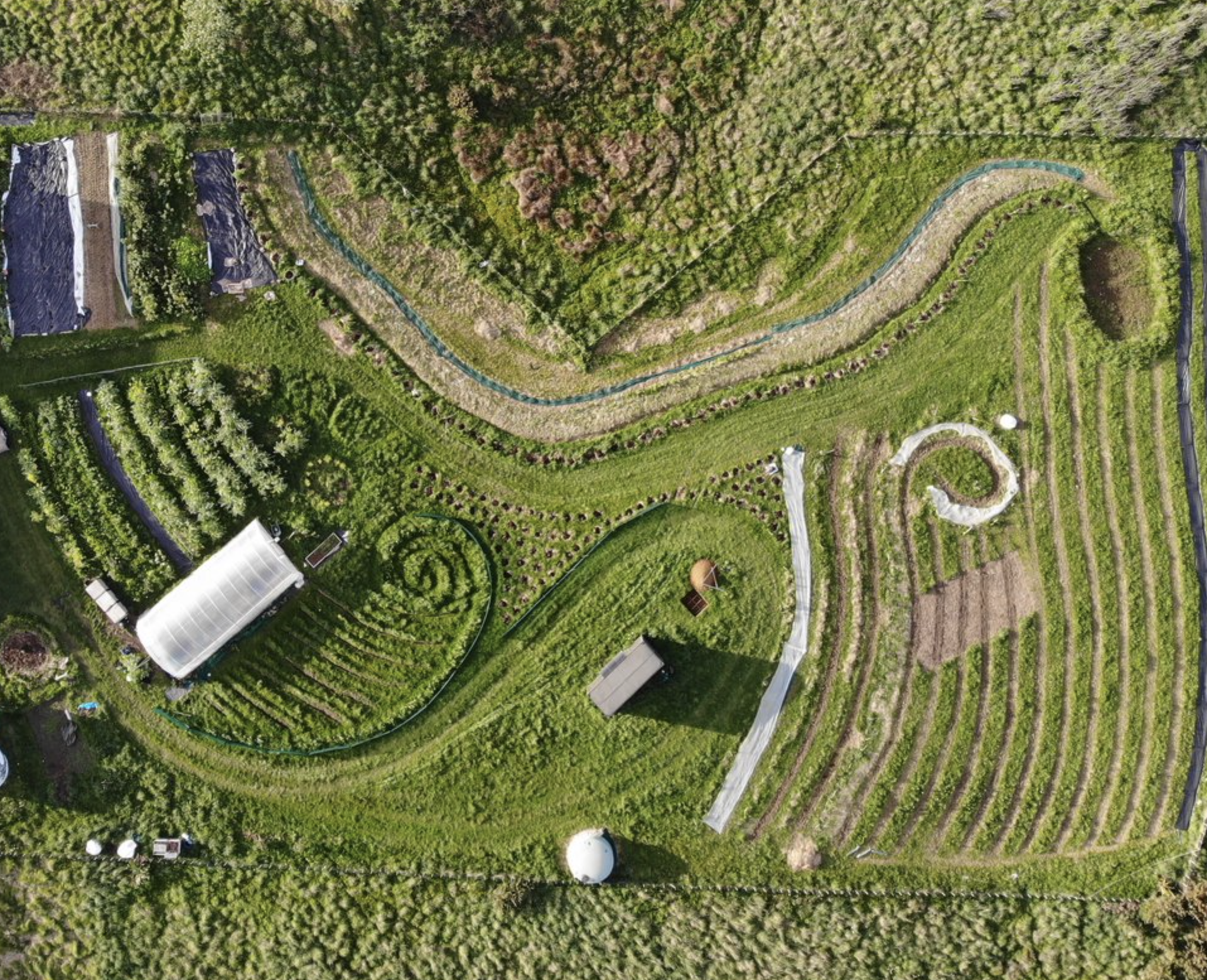
Delicious Revolution is growing 1,000 young Auckland leaders at Te Māara Kai o Wirihana through gardening, cooking and hands-on learning. More
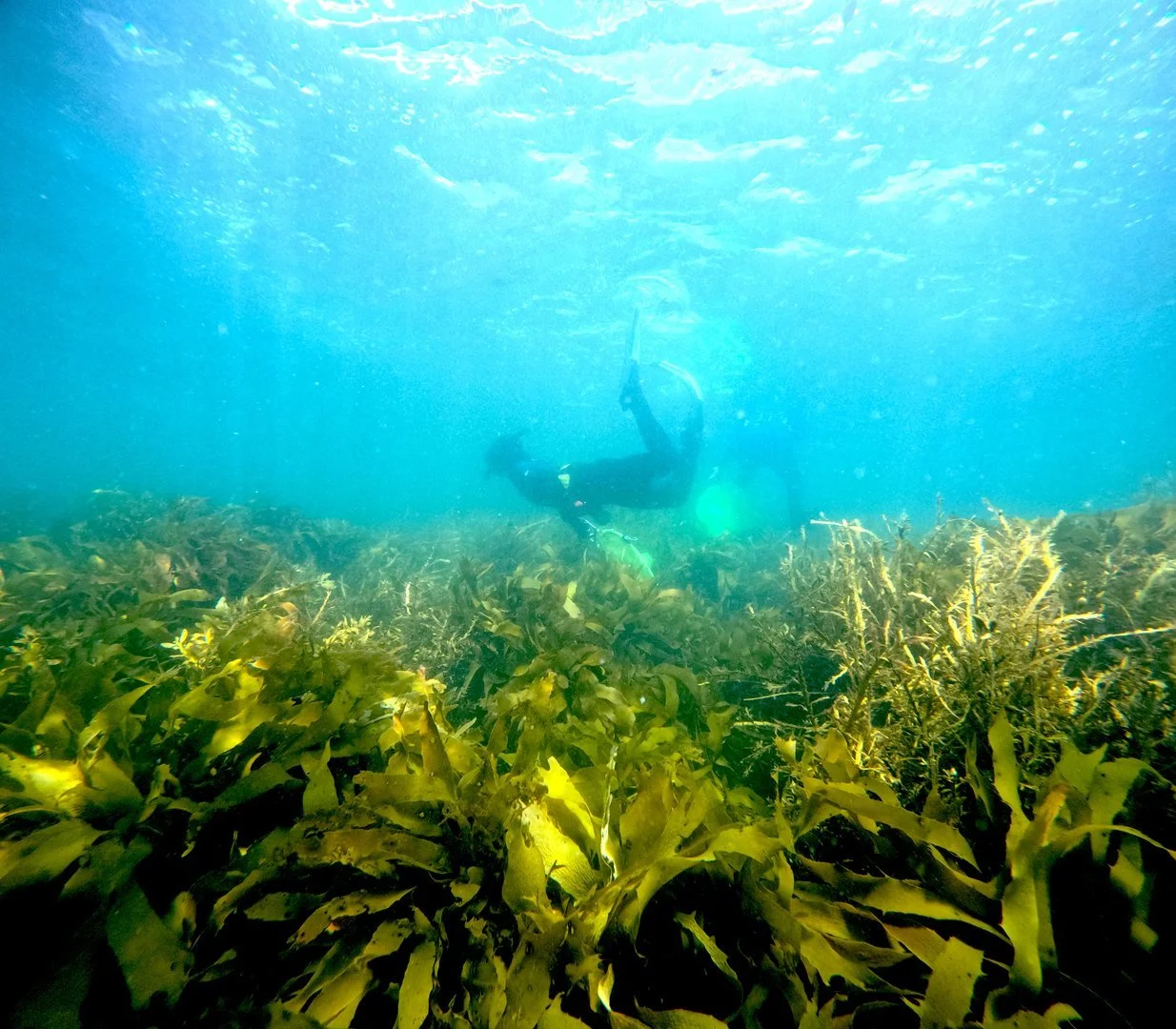
Waiheke Marine Project's Kelp Gardeners are rebuilding kelp forests and marine life off Waiheke Island through community guardianship. More
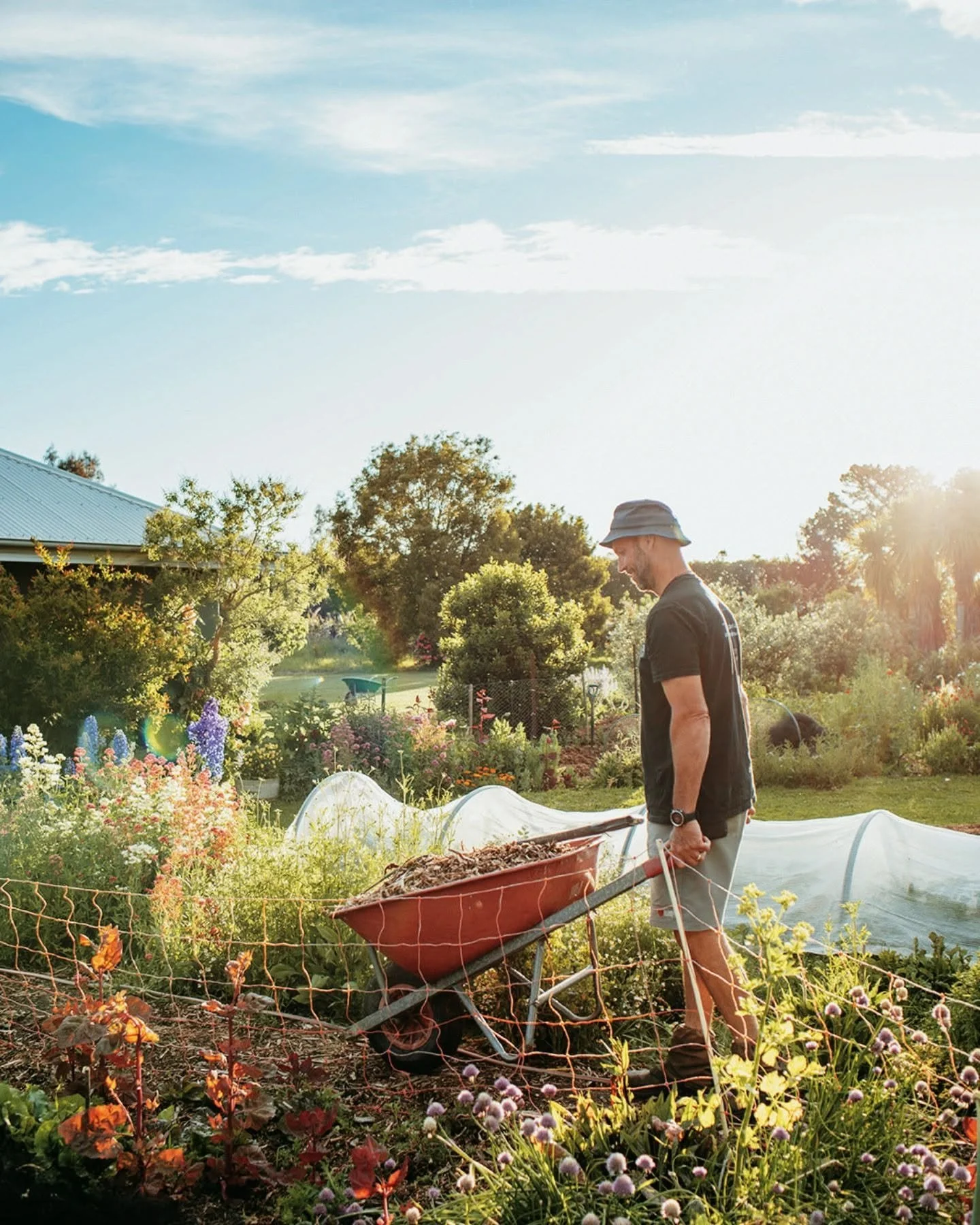
The Food Farm is working to remove the financial barriers that stop Canterbury people learning to grow, preserve and share their own kai. More
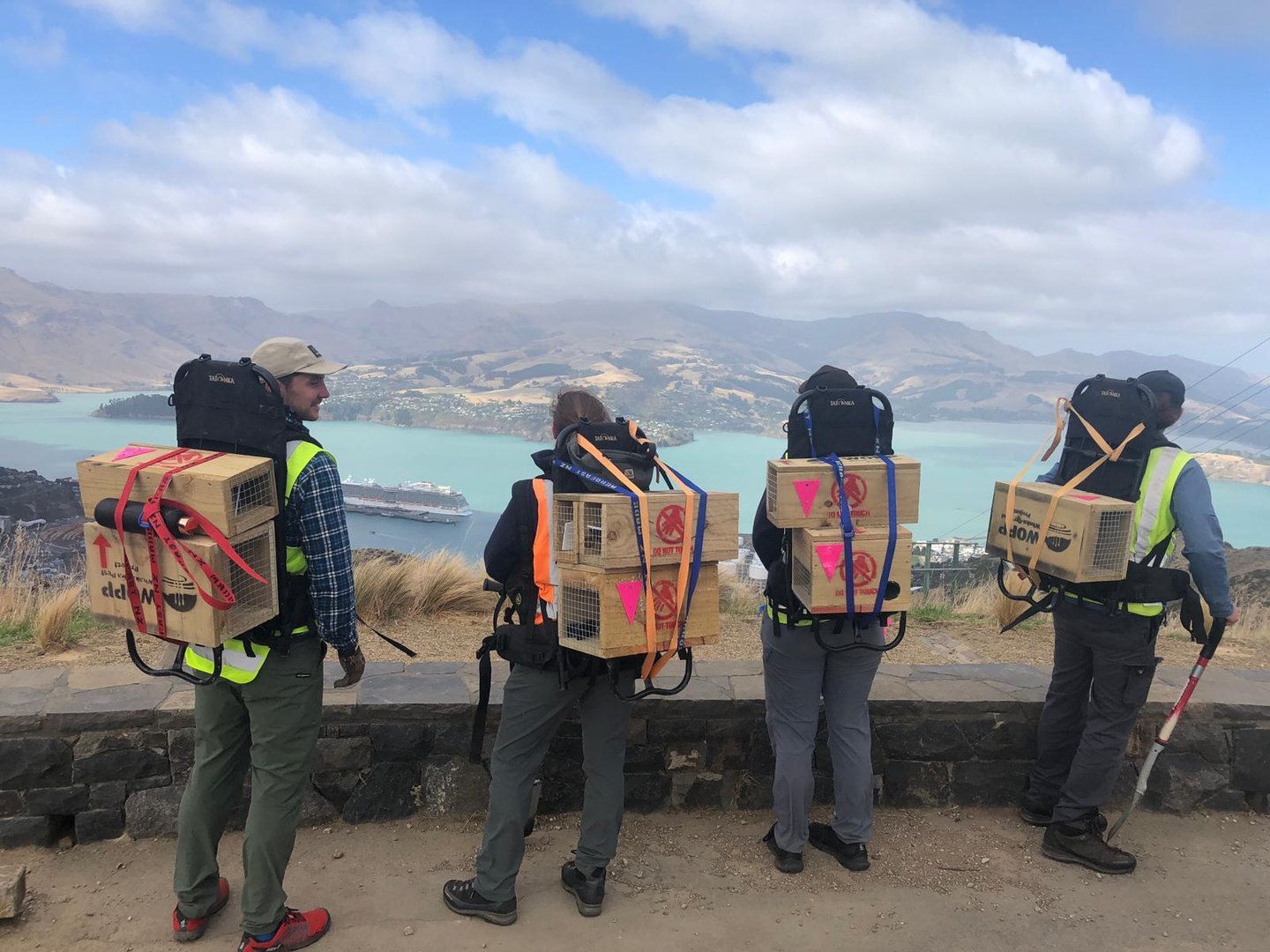
Conservation Volunteers NZ holds 34 traplines above Whakaraupō in Otautahi Christchurch, where Korimako and other native species are returning to the regenerating bush. More
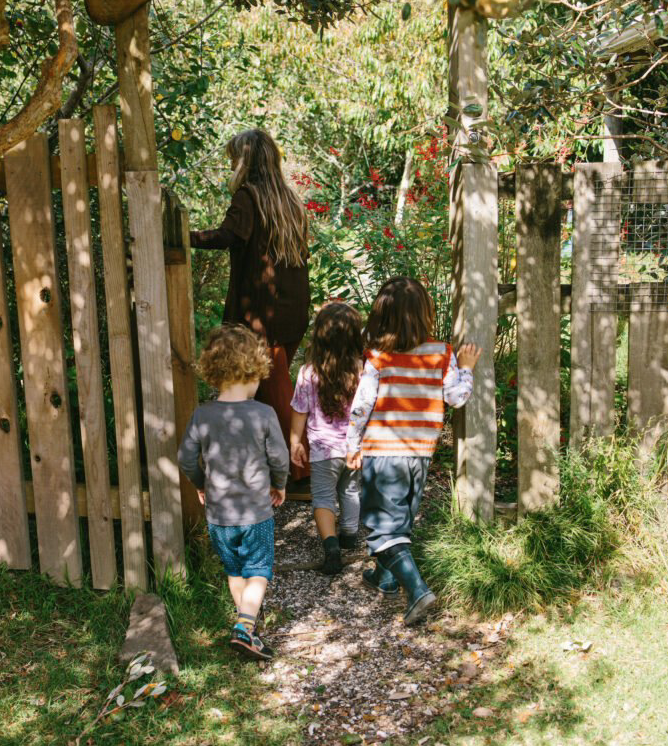
Biodynamics New Zealand brings a living biodynamic curriculum and school garden to tamariki learning to read the seasons - developed alongside Titirangi Rudolph Steiner School. More
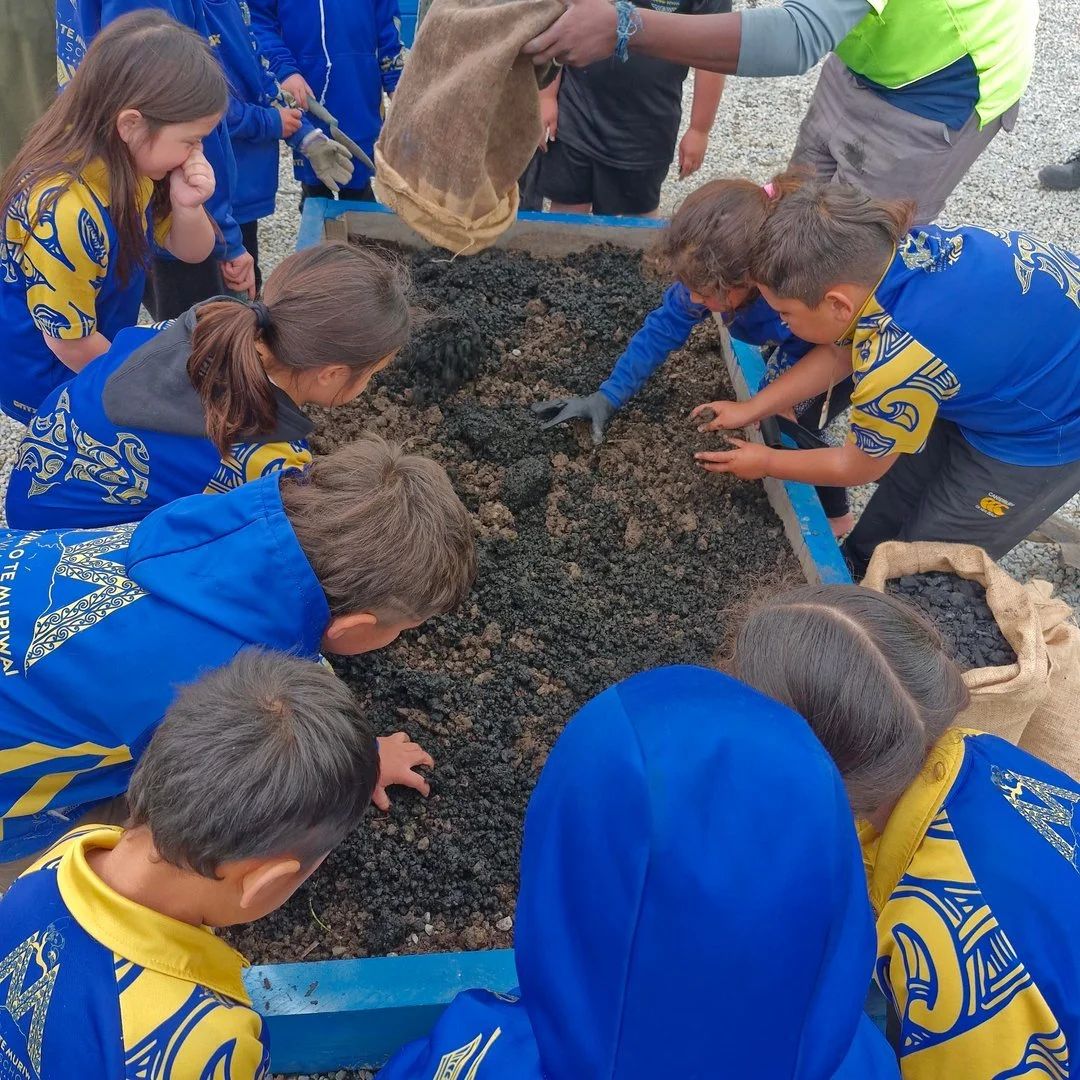
Slash for Cash continues its work healing whenua and whānau through the removal of forestry slash whilst creating valuable biochar as a local resource. More
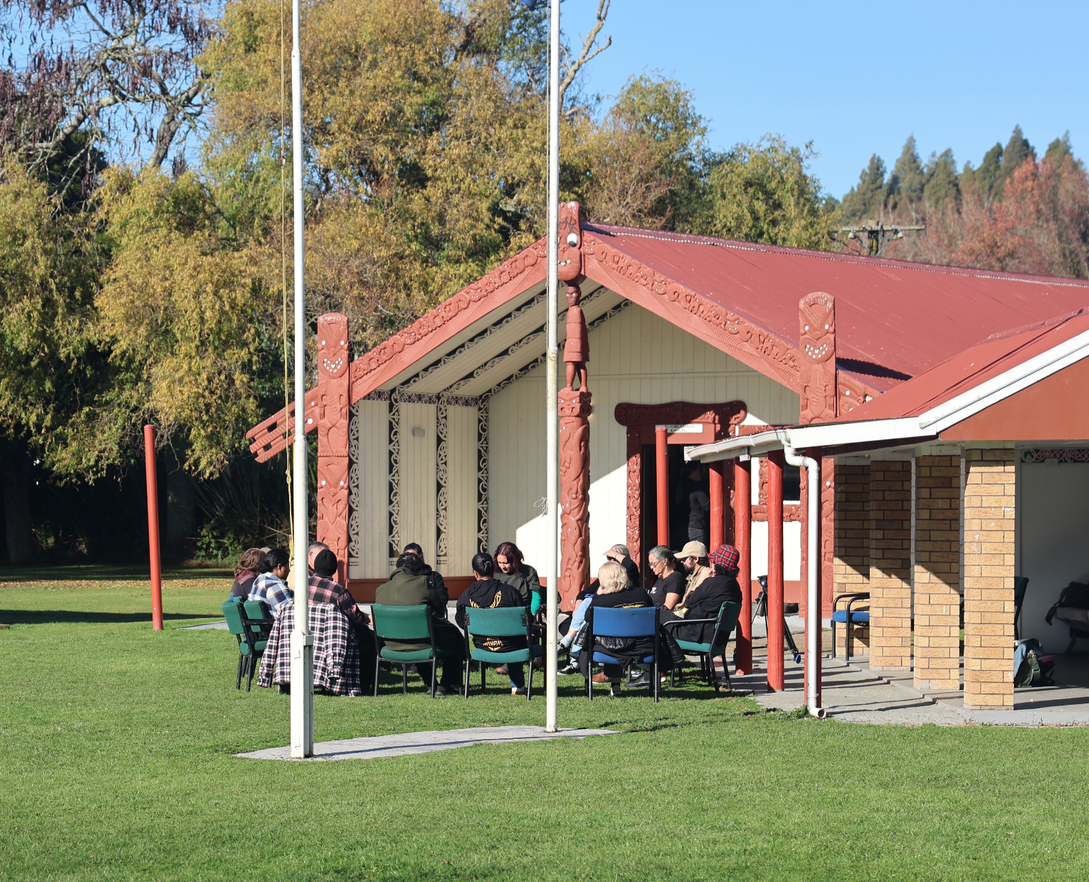
Go Eco grows marae-led kai sovereignty through Ngā Rourou Kai, helping whānau grow, gather and share food through floods and emergencies. More
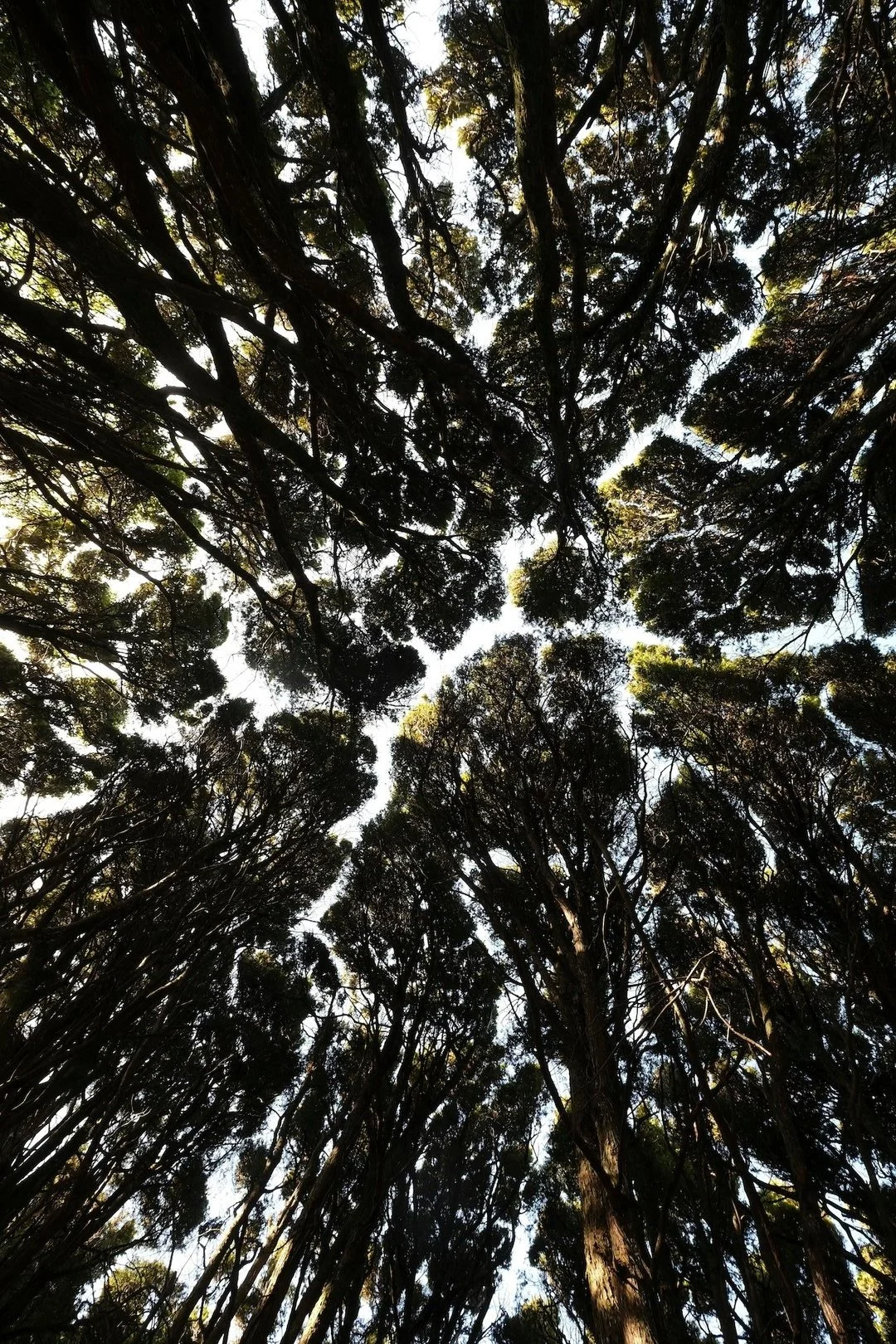
Native Forest Restoration Trust protects and restores some of Aotearoa’s most significant remaining native forest ecosystems - replanting land so indigenous trees and birds can return. More

Giftee Updates
Ma Earth'sLearning Lab explores regenerative hospitality - including design principles, revenue models, and the ethics of hosting visitors. More
Rewiring Aotearoa celebrates Aotearoa NZ as a whole passing 1GW of installed solar. More
Tīwaiwaka releases Pā Robert McGowan's revised 2026 edition of Rongoā Māori: A Practical Guide to Traditional Māori Medicine. More
Globaïa named this epoch the Atasthalocene - Homer's word for reckless folly - against seven of nine planetary boundaries now crossed. More
Kōanga Institute releases a collection of rare heritage perennials, including rhubarb brought to Aotearoa by Pukekohe's Chinese market gardeners. More
Underground Festival heads north for 2027 - 40+ speakers and 30+ sessions on a regenerative farm at Te Miro, Waikato. Tickets are open. More
Mangaroa Farms are hosting a community planting day, Saturday 15 August, 10am - 3pm. More
Papawhakaritorito Trust marked Matariki with the whetū [stars] bright above the whenua - remembering those passed, grateful for those still here. More
The Learning Environment joins the Te Pūwaha restoration for a community planting day in August. More
Garden to Table gathered at Te Aroha Pā in Makarau, where 200 tamariki traced kūmara's journey to Aotearoa. More
4 A Better City’s Mahinga Kai project is a Wellington Airport awards finalist - with "Rosie" processing four tonnes of food waste in one run. More
House of Science reports every $1 invested in its kits returns $21.90 in social value, reaching 131,133 kids in 2025. More
Roebuck Farm takes its small-scale regenerative market-gardening method to Australia for field workshops. More
Kaicycle donates a trailer of compost to Newtown Primary, where tamariki built soil for a new food and pollinator corridor. More
Fundsorter now tracks 3,361 funding opportunities from 1,650 funders, matching Aotearoa charities to grants they didn't know existed. More
Additional News
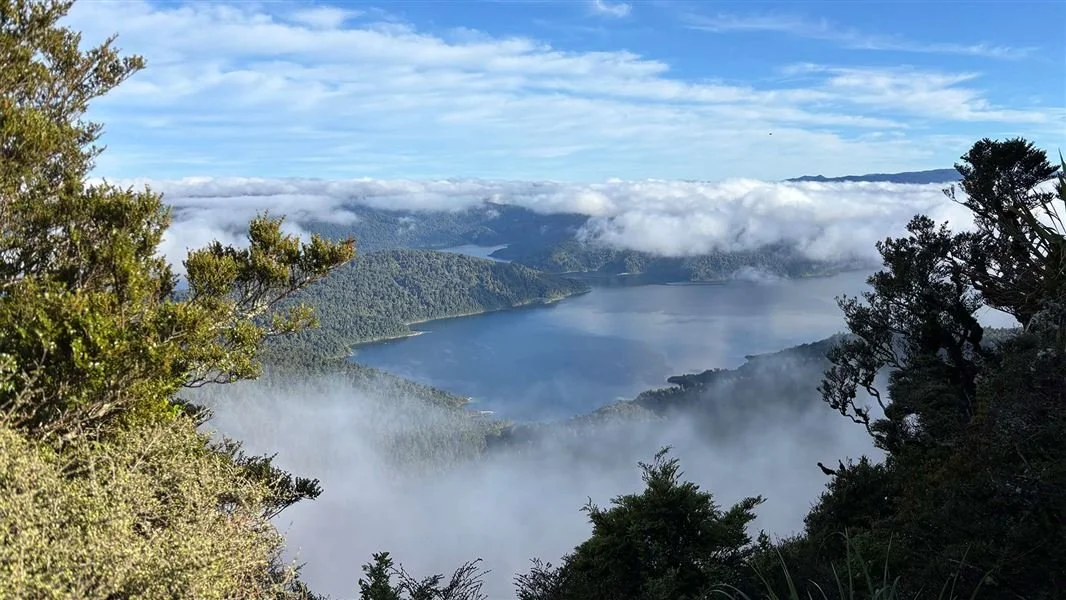
Te Uru Taumatua purchased Waikaremoana Holiday Park from DOC, returning Te Urewera's main gateway to Tūhoe guardianship. More
Greater Wellington planted its millionth native tree at Queen Elizabeth Park, recloaking 420 of 2,000 hectares with iwi-nursery stock. More
Te Kāhui Maunga proposes merging four district councils into one authority organised around maunga and awa catchments. More
Predator Free Dunedin received $3.9 million over three years for stoat, cat and possum control from Port Chalmers to Orokonui. More
“Do your little bit of good where you are.”